
A Proud History. A Community That Keeps Us Going.
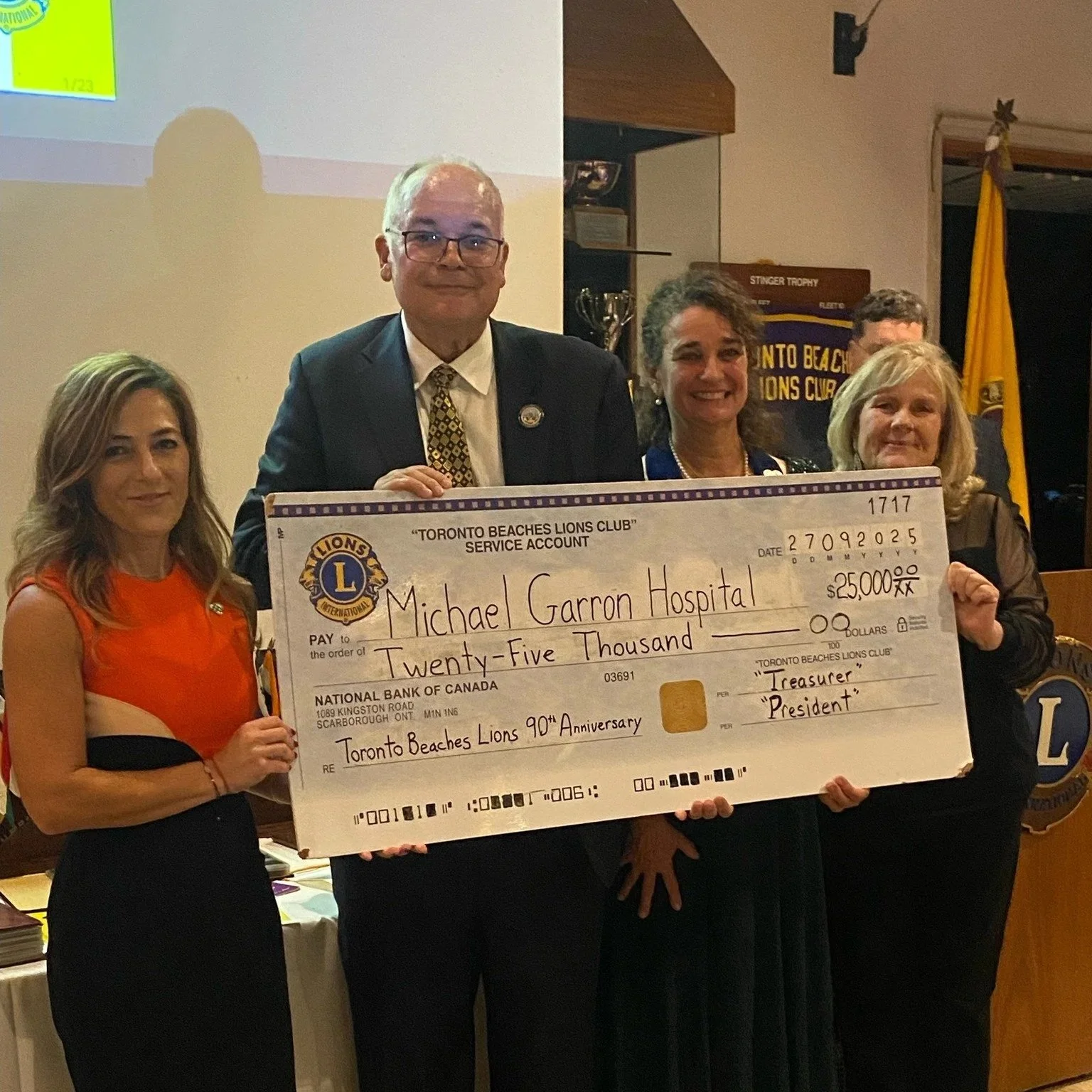
Since 1935, the Toronto Beaches Lions Club has been part of the heart of our community.
What began with 20 charter members and a shared commitment to helping neighbours has grown into a remarkable legacy of service, friendship, and community spirit.
Over the decades, our members have helped build neighbourhood landmarks, supported families through difficult times, created cherished local traditions, and strengthened the organizations that make the Beaches such a special place.
Some of our contributions are well-known. Others happened quietly, behind the scenes, with little recognition.
But every act of service has helped shape our story.
Explore more than 90 years of community, connection, and Lions history.
-
Every great community story has a beginning. Ours started in 1935 with 20 charter members, a shared vision, and a commitment to making life better for their neighbours.
The Toronto Beaches Lions Club was established with the sponsorship of the Toronto East Lions Club, later known as the East York Danforth Lions Club.
Our founding president was John Dee, a local optometrist whose office was located on Queen Street, across from Kew Gardens.
Among the original charter members were prominent local businessmen and community leaders, including Dr. Walter H. Godsoe, Percy Jewison, John Pezzack, Ben Butterworth, and Wyn Beckett.
Together, these individuals laid the foundation for an organization that would become an important part of the Beaches community for generations.
Part of Something Bigger
Our Club's roots are connected to a much larger story.
Lions Clubs International was founded in Chicago in 1917. In 1920, the organization expanded beyond the United States with the establishment of a Lions club in Windsor, Ontario. That same year, a club was chartered in Toronto.
In 1931, the Toronto East Lions Club was established to serve East Toronto and the Township of East York. Over time, it became known as the Danforth Lions Club and later the East York Danforth Lions Club.
Its first president, optometrist George Bosnell, helped establish an early tradition of providing eyeglasses and assistance to those in need.
Four years later, the Club sponsored the formation of the Toronto Beaches Lions Club.
The Beaches Lions would eventually continue that tradition by helping establish other Lions clubs, including the Scarborough Central Lions Club.
A Commitment to Service
At the heart of Lionism is a simple belief: neighbours helping neighbours.
That spirit was reinforced in 1925 when Helen Keller addressed the Lions International Convention and challenged members to become "knights of the blind in the crusade against darkness."
Her words helped inspire the organization's longstanding commitment to vision care and blindness prevention.
For the Toronto Beaches Lions Club, that same spirit of service would guide everything from its earliest charitable initiatives to its most ambitious community projects.
What started with 20 members in 1935 became a legacy that continues today.
-
From its earliest days, the Toronto Beaches Lions Club believed that meaningful community service meant identifying a need and finding a way to meet it.
Sometimes that meant helping a family put food on the table. Other times, it meant taking on projects that would leave a lasting mark on the neighbourhood.
Helping Neighbours in Need
One of the Club's first initiatives in 1935 was securing a speedboat to patrol the beaches of East Toronto.
Members also organized food and skate drives, working with local movie theatres along Queen Street to collect donations.
Residents could attend special movie matinees by bringing food or skates for families in need.
Throughout the years, the Club provided assistance through donations of food, clothing, heating fuel, eyeglasses, and financial support.
Much of this work happened quietly, without public recognition.
For the Lions, helping someone in need was simply part of being a good neighbour.
Making a Splash in the Beaches
One of the Club's most enduring contributions began with a little inspiration during a trip to New York City.
In July 1949, several Toronto Beaches Lions attending an international convention visited Central Park.
While admiring a fountain, they noticed children joyfully running through the water.
The members returned home with an idea: why not create something similar for children in the Beaches?
By September 1949, fundraising was underway to build a children's wading pool in Kew Gardens.
The Club enlisted Canadian architect Bill Sheets to help design the project. After considering several possible locations, Kew Gardens was selected in the spring of 1953.
On July 6, 1953, Toronto Mayor Allan Lamport presided over the groundbreaking ceremony.
The pool officially opened on September 2, 1953, during a sweltering heat wave when temperatures reportedly reached 100°F.
It was a fitting beginning for a project designed to bring relief and enjoyment to neighbourhood children.
The Club subsequently built another wading pool in Woodbine Park, closer to Coxwell Avenue.
These projects became lasting examples of how community vision, determination, and generosity could create spaces for generations to enjoy.
A Home for Seniors: 50 Norway Avenue
Another significant chapter in the Club's history began on June 11, 1962, when members decided to undertake a major community project.
Their goal was ambitious: build affordable housing for local seniors.
A committee was formed to investigate possible locations and funding opportunities.
Eventually, the City made land available at 50 Norway Avenue through a 99-year arrangement for the symbolic cost of one dollar.
The property had previously been used as a garbage dump over swampy ground, creating significant construction challenges.
Numerous foundation piles were required to stabilize the site.
Despite financial difficulties and the bankruptcy of a general contractor, the project moved forward.
On June 1, 1966, the Beaches Lions Centennial Apartments officially opened.
The building contained 43 suites and represented an investment of more than $1 million.
Although the Lions initially intended to operate the residence themselves, the operation was transferred to Metropolitan Toronto approximately one year later for the symbolic sum of one dollar.
The Club maintained close ties with the residents for many years.
The project remains one of the most remarkable examples of the Club's willingness to take on a major challenge for the benefit of its community.
Supporting the Organizations That Support Our Community
Over the decades, the Toronto Beaches Lions Club has worked alongside numerous local organizations.
These have included Senior Link, Applegrove Community Centre, Community Centre 55, the Balmy Beach Canoe Club, schools, sports teams, learning centres, and organizations supporting older adults.
The Club also provided early financial assistance to help establish Senior Link and Ward Nine News, later known as Beach Metro News.
These partnerships reflect a belief that strong communities are built when people and organizations work together.
-
Community service has always been at the heart of the Toronto Beaches Lions Club.
But throughout its history, the Club has also understood the importance of bringing people together, creating traditions, and having a little fun along the way.
And after more than 90 years, there are certainly some stories worth telling.
The Early Days of Community Carnivals
In the Club's early years, summer carnivals became a major fundraising initiative.
Over time, these popular events moved between several familiar neighbourhood locations, including the Balmy Beach Canoe Club, Pantry Park, and Greenwood Race Track.
The carnivals featured entertainment, games, music, street dances, and activities that brought neighbours together.
Among the more memorable attractions were the Club's "Mutt Shows," where local dogs could win prizes for having particularly long or short tails.
The events were not simply fundraisers. They became opportunities for families, friends, and neighbours to gather and celebrate their community.
A Christmas Carnival to Remember
Not every fundraising event went according to plan.
In 1948, the Club organized an elaborate Christmas Carnival at the Canadian National Exhibition Coliseum.
The event was ambitious and spectacular.
Unfortunately, the revenue fell far short of the expenses, leaving the Club more than $40,000 in debt.
For a volunteer service organization, it was an enormous financial setback.
But the response demonstrated just how deeply the Lions were connected to their community.
Businesses, organizations, and individuals from across Toronto rallied to help.
Through their generosity and the Club's determination, the outstanding debts and loans were repaid within three years.
What could have been the end of an organization instead became a story of resilience, community support, and perseverance.
The Greenwood Race Track Years
For many years, the Club maintained a close relationship with Greenwood Race Track and the Ontario Jockey Club.
Before the surrounding area became fully developed, Lions members operated a parking lot for racegoers.
The parking area was little more than a dirt field.
On one particularly rainy day, the ground became so muddy that tow trucks had to be called in to help stranded motorists retrieve their vehicles.
Eventually, the Ontario Jockey Club consolidated the parking operations.
However, the relationship continued, allowing the Club to organize large bingo fundraisers at the racetrack.
The Carnival That Made Headlines
One of the more colourful stories in the Club's history unfolded in 1963.
That year, the Lions sponsored a professionally operated carnival at Greenwood Race Track.
Among the attractions was a late-night stage show featuring performers with exotic stage names.
The show attracted complaints from some residents, prompting an investigation by the Metropolitan Toronto Police Morality Squad.
Local newspapers quickly picked up the story, publishing attention-grabbing headlines about the controversial attraction.
Ultimately, the carnival was permitted to continue when the investigation found the performance considerably less sensational than its advertising suggested.
It was an unusual chapter in the Club's fundraising history and a reminder that even community organizations occasionally find themselves at the centre of a little controversy.
Traditions That Bring Us Together
Beyond the carnivals and memorable anecdotes, the Toronto Beaches Lions Club has helped establish and support celebrations that have become part of the neighbourhood's identity.
These include the annual Easter Parade, Christmas Tree Lighting, Canada Day celebrations, and other community gatherings.
For generations, these events have created opportunities for families to celebrate, neighbours to reconnect, and community traditions to continue.
They represent something that has always mattered to the Lions: bringing people together.
-
When the Toronto Beaches Lions Club was established in 1935, its founding members could never have imagined the impact their organization would have over the next nine decades.
What began with 20 charter members grew into generations of volunteers, community leaders, and neighbours committed to making a difference.
Along the way, the Club helped build public spaces, supported seniors, assisted families, contributed to local organizations, and created traditions that continue to bring the Beaches community together.
Some accomplishments are easy to see.
Others are remembered through the lives of the people who benefited from a helping hand, a donation, a community program, or an unexpected act of kindness.
More Than Projects and Fundraisers
The history of the Toronto Beaches Lions Club isn't simply a collection of dates, buildings, and events.
It's a story about people.
People who recognized a need and decided to do something about it.
People who volunteered their evenings and weekends.
People who worked together to turn ambitious ideas into lasting community improvements.
And people who understood that a stronger neighbourhood benefits everyone.
Honouring the Past. Looking to the Future.
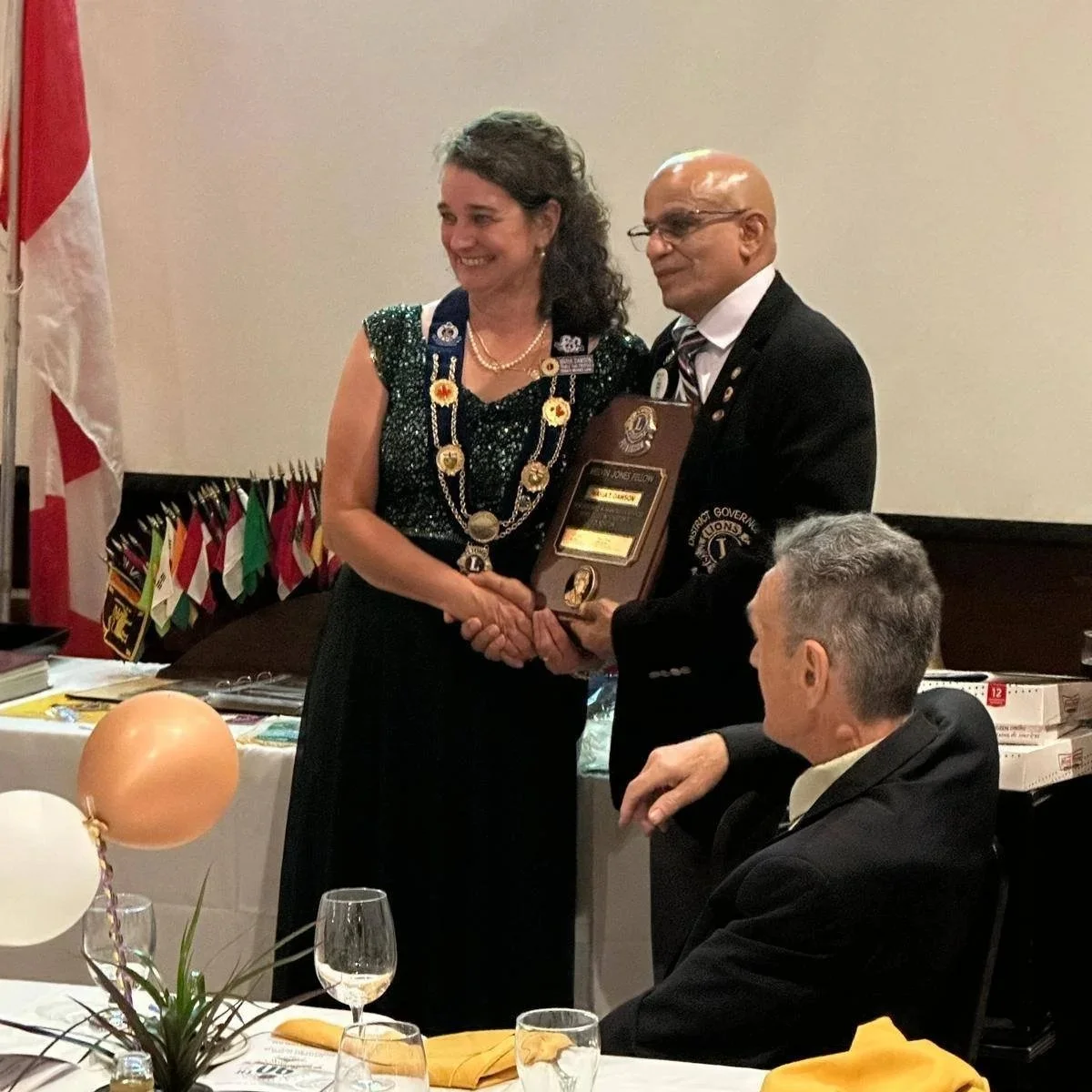
Today, the Toronto Beaches Lions Club carries forward the same spirit of service that inspired its founding members in 1935.
While the needs of the community continue to evolve, the values that guide the Club remain rooted in friendship, generosity, and a willingness to help.
Our history is something we're incredibly proud of.
But we're equally excited about the chapters still waiting to be written.
Because the heart of the Lions Club has never been just about what we've accomplished.
It's about what we can accomplish together.